Best Plant-Based Protein Sources for a Healthy Diet
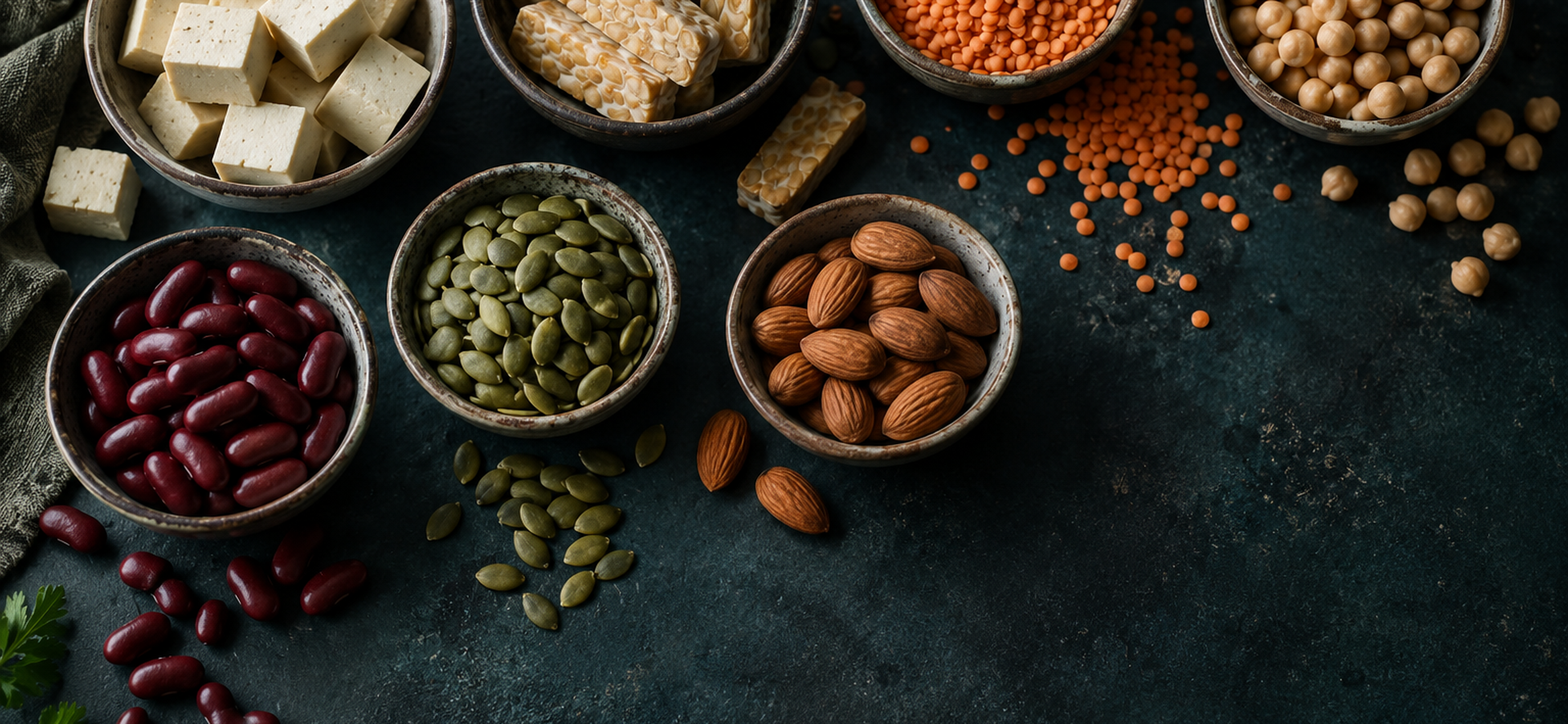
Protein is essential for muscle maintenance, tissue repair and many everyday body functions. Meat, fish and dairy are common sources, but lentils, beans, tofu, tempeh, soya foods, nuts and seeds can also help vegans, vegetarians and people reducing meat meet their protein needs.
Some of the best sources of plant protein options include lentils, chickpeas, beans, tofu, tempeh, soya foods, nuts, seeds and wholegrains. The most effective approach is not to depend on one high-protein food, but to eat a variety of plant foods throughout the day.
What Are the Best Plant-Based Protein Sources?
The best protein sources on a plant-based diet are foods that provide useful amounts of protein while also contributing other nutrients such as fibre, vitamins, minerals and healthy fats.
- Lentils
- Chickpeas
- Kidney beans and black beans
- Tofu
- Tempeh
- Soya beans and soya milk
- Nuts and seeds
- Peas
- Wholegrains
- Nut butters
Legumes such as lentils, chickpeas and beans are affordable, versatile and easy to use. Tofu and tempeh are also practical protein-rich alternatives to meat in stir-fries, curries, wraps and salads.
The British Nutrition Foundation explains that consuming a varied diet containing different protein sources can help provide the essential amino acids your body needs.
Nutrition Information About Protein and Plant-Based Protein
Protein is made from amino acids, including essential amino acids that must come from food. Although individual plant foods can be lower in particular amino acids, a varied plant-based diet can still provide adequate protein.
Eating a variety of foods throughout the day can provide a suitable amino-acid balance. For the average UK adult, the Reference Nutrient Intake for protein is approximately 0.75g per kilogram of body weight per day. Individual needs can vary depending on age, activity level, body size and training goals.
For a 70kg adult, 0.75g per kilogram equals roughly 52.5g of protein per day. Training, age and individual goals can change requirements, so protein should be considered within the wider diet rather than as one universal target.
PRSNLI's approach to personalised nutrition focuses on building realistic food habits around your routine rather than following a generic meal plan.
Protein Sources for Vegan and Vegetarian Diets
Vegan and vegetarian diets share many protein sources. Useful vegan options include pulses, tofu, tempeh, fortified soya products, nuts, seeds and wholegrains; vegetarians may also include eggs and dairy.
Beans and pulses provide protein, fibre and carbohydrates. Tofu can be grilled, baked or added to curries and stir-fries, while firmer tempeh works well in sandwiches, bowls and savoury meals.
Fortified soya milk and yoghurt alternatives add protein, while nuts and seeds provide protein alongside healthy fats. Wholegrains such as oats, quinoa and wholemeal bread contribute smaller amounts across the day.
Vegetarians can also include foods such as eggs, Greek yoghurt, cottage cheese and other dairy products if they fit their dietary preferences.
Vegetarian Protein Sources Chart
Protein content varies by food, brand and preparation. Use this vegetarian protein sources chart as a general comparison of high-protein vegetarian foods per 100g, and check product labels for exact values.
Nuts and seeds look high on a per-100g chart, but they are energy-dense and usually eaten in smaller portions. Pulses, tofu and tempeh are often easier to use as the main protein component of a meal.
5 Protein-Packed Foods for Healthy, Meatless Meals
If you are looking for straightforward high protein meatless foods, these five options are particularly easy to build meals around.
1. Lentils
Lentils are inexpensive, easy to store and provide protein plus fibre. Use them in curries, soups, stews, pasta sauces or salads, or swap them for part of the meat in a familiar recipe.
2. Chickpeas
Chickpeas work well in salads, curries, soups and grain bowls. They can also be blended into hummus for an easy snack or sandwich filling.
3. Tofu
Tofu absorbs flavours well, which makes it useful across many cuisines. It can be added to stir-fries, wraps, noodle dishes and salads, or scrambled as a plant-based breakfast option.
4. Tempeh
Tempeh has a firmer texture than tofu and contains plenty of protein. It can be sliced, marinated and cooked as part of sandwiches, rice bowls or main meals.
5. Nuts and Seeds
Nuts and seeds can top up protein with little preparation. Add nut butter to porridge, sprinkle seeds over yoghurt or salads, or use nuts as a snack. Even a few meat-free meals each week can increase dietary variety.
How to Get Protein Without the Meat
Getting enough protein without meat becomes much easier when you stop thinking of protein as one item on the plate. Instead, build meals from several ingredients that contribute towards your total.
- Breakfast: oats + fortified soya milk + nut butter + seeds
- Lunch: chickpeas + quinoa + vegetables + tahini
- Dinner: tofu + brown rice + vegetables
- Snack: yoghurt or soya yoghurt + nuts
Each component contributes some protein, allowing the total to add up throughout the day.
The British Heart Foundation also highlights foods such as beans, pulses, nuts and soya as useful alternatives to meat.
How to Get 30g Protein Without Meat
You do not necessarily need one food containing 30g of protein. Combining several foods in one meal can make the target much easier to reach. A meal might include tofu or tempeh as the main protein source, lentils or beans, wholegrains, and seeds or nuts. Vegetarians could also use eggs, Greek yoghurt or cottage cheese.
For example, a tofu and bean bowl served with quinoa could provide significantly more protein than eating any of those foods alone. This is why looking at the complete meal is often more useful than asking which single ingredient contains the most protein.
How to Get 40 Grams of Protein Without Meat
A 40g meat-free meal can combine several sources, such as tempeh with chickpeas and wholegrain rice, lentils with tofu and wholemeal bread, or - for vegetarians - eggs, Greek yoghurt and beans.
How Can I Get 100 Grams of Protein a Day on a Plant-Based Diet?
Reaching 100g of protein is possible on a plant-based diet, but it is not the right target for everyone. If you need a higher intake, spreading protein across the day makes it easier.
- Breakfast: oats, fortified soya milk, seeds and nut butter
- Lunch: lentils, chickpeas and quinoa
- Snack: soya yoghurt, nuts or a protein-rich smoothie
- Dinner: tofu or tempeh with vegetables and wholegrains
Rather than saving most protein for dinner, include a useful source at several points during the day. If your target relates to training or weight management, personalised guidance may be more useful than copying someone else's number.
PRSNLI combines nutrition guidance with personalised coaching, training support and progress tracking so recommendations can fit your actual lifestyle.
High-Protein Vegetarian Foods for Muscle Building
Protein supports muscle repair, but building muscle also depends on resistance training, sufficient energy intake, sleep, recovery and consistency.
- Tempeh and tofu
- Lentils, chickpeas and beans
- Soya milk and soya yoghurt
- Greek yoghurt and cottage cheese for vegetarians
- Eggs for vegetarians
- Nuts and seeds
People following a vegan diet can focus more heavily on soya products, legumes, nuts, seeds and suitable fortified foods. Protein intake can also be distributed across meals rather than concentrating most of it at dinner.
If you are combining nutrition changes with training, PRSNLI's guide on whether online personal training actually works explains how structured training, accountability and personalised support can work together. You can also compare formats in Fitness Coach vs Personal Trainer.
What Is the Healthiest Plant-Based Protein?
There is no single healthiest plant-based protein. Lentils and beans provide protein plus fibre, nuts and seeds add unsaturated fats, tofu and tempeh offer versatile soya protein, and wholegrains contribute smaller amounts alongside carbohydrates and fibre.
The healthiest approach is usually variety. Rotate between legumes, soya foods, wholegrains, nuts and seeds to broaden your nutrient intake and keep meals interesting.
Sustaining Protein Nutrition Through Plant-Based Foods
The biggest challenge with healthy eating is often not knowing what to eat. It is staying consistent. A sustainable plant-based diet should fit into your actual routine.
- Choose a reliable protein source for each main meal.
- Keep easy options such as canned beans and lentils at home.
- Use frozen or ready-prepared ingredients when time is limited.
- Add nuts or seeds to meals you already eat.
- Experiment with tofu or tempeh in familiar recipes.
- Spread protein across your day.
- Avoid treating one imperfect meal as a failed diet.
This habit-based approach is usually easier to maintain than completely changing your diet overnight. It also aligns with PRSNLI's wider focus on accountability, consistency and habit building rather than short-term perfection.
Frequently Asked Questions
The Bottom Line
The best plant-based protein sources are not limited to one or two specialist foods. Lentils, chickpeas, beans, tofu, tempeh, soya foods, nuts, seeds and wholegrains can all help you meet your protein needs while adding variety to your diet.
The practical strategy is to include a protein source at each meal, combine different plant foods and focus on consistency. If nutrition supports fitness, strength or weight-management goals, protein should sit within a wider plan that reflects your activity and lifestyle.
PRSNLI combines personalised nutrition, training and human coaching to help turn healthy choices into habits you can maintain. Explore PRSNLI nutrition coaching to see how nutrition can be built around your goals and everyday routine.